These aren't tips pulled from a trend report. They're lessons that come directly from producing travel content across more than 70 countries, hotels, tourism boards, and luxury expeditions alike, in locations ranging from major resort destinations to places reachable only by bush plane and river travel. Here's what actually matters once the cameras are on-site.
Plan the Strategy Before You Plan the Shot List
Every production we run starts with a diagnostic call, not a camera bag. We walk through what's working on a client's channels right now, where the real gaps are, and what they specifically want captured. Before we quote a price, we hand over a strategy, not a shot list, a plan designed around the client's goals, not a template we reuse across every project.
Redundancy Is the Only Real Insurance in Remote Locations
In a genuinely remote destination, there's no returning tomorrow if something goes wrong. Every critical piece of equipment travels with at least one backup, a second camera body, redundant lenses, extra batteries and solar charging capability, and multiple backup drives for daily data protection. If a primary piece of kit fails with days of production remaining, the shoot cannot stop.
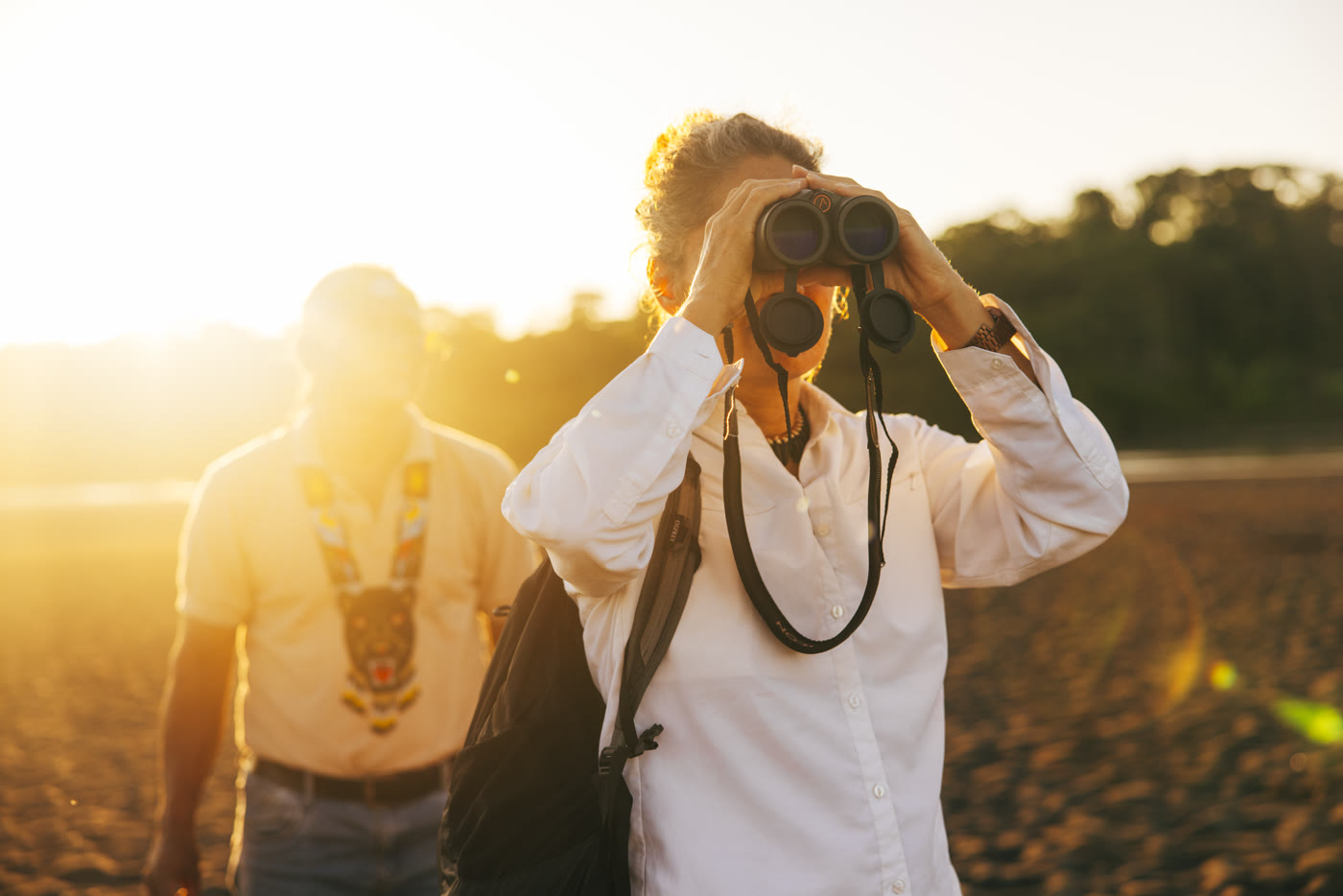
Power, Weather, and Transport Get Planned Before Departure
Most remote lodges and expedition camps run on limited solar or generator capacity. Knowing what power is available, when, and in what form, determines the entire battery and backup schedule for a shoot. This planning happens before departure, not improvised once on the ground, because a missed backup on a failed card can lose an irreplaceable day of content.
Minimal Footprint Isn't a Nice-to-Have, It's the Operating Model
A production that disrupts the guest or traveler experience is a liability to the client, not a neutral cost. The standard we hold ourselves to is minimal footprint: confirm timing and access in advance, move quickly between setups, and capture guests only with consent. The goal is to be present and effectively invisible, capturing real moments without staging them.
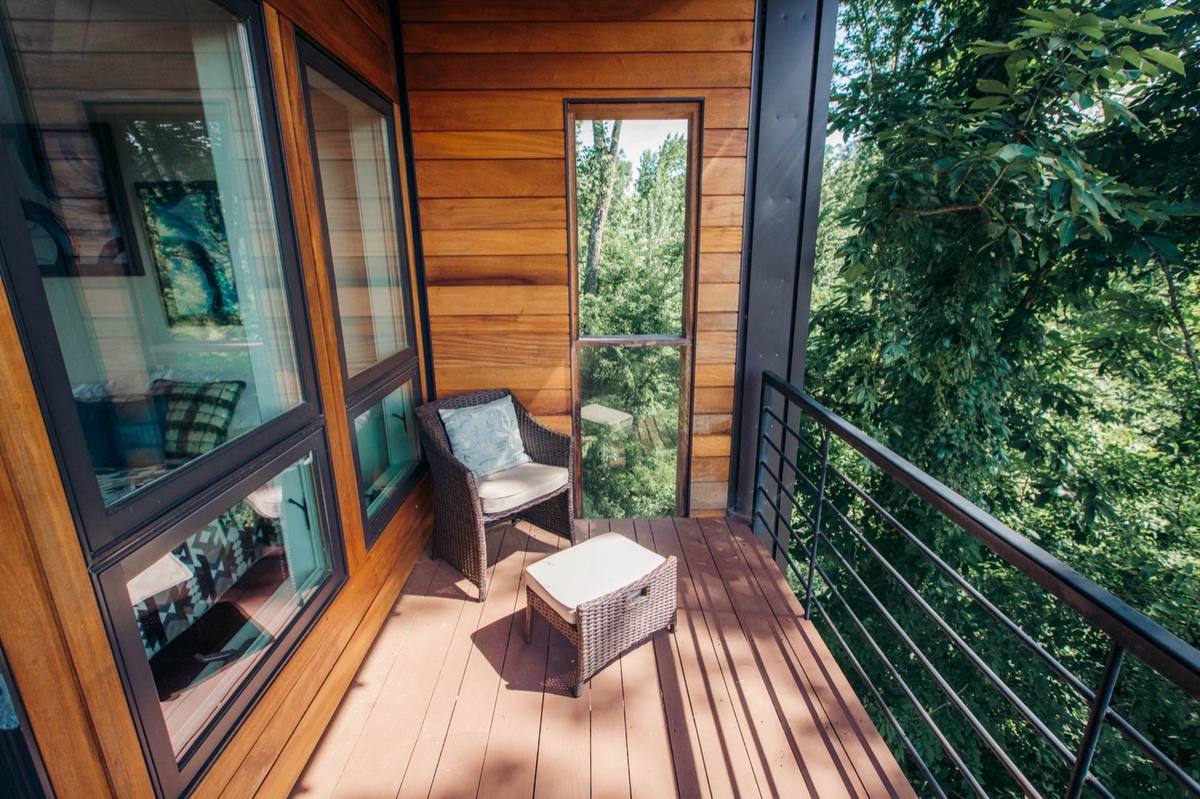
Editing Stays In-House, Start to Finish
Full in-house editing, color grading, and retouching on every deliverable keeps the creative direction consistent from the initial shot list through final delivery. Outsourcing post-production to a separate vendor introduces a hand-off point where the original creative intent gets diluted.
Set Realistic Delivery Expectations Upfront
Photography is typically delivered within two to three weeks, and video within three to five weeks, depending on complexity and how many deliverables are being cut from the same footage. Clients who know this upfront plan campaigns and launches around it; clients who don't tend to be caught off guard by a completely normal production timeline.
The difference between amateur and professional travel content almost never shows up in the final frame, it shows up in everything that was planned before the camera ever turned on.
Work With People Who've Actually Done Remote Production
Local hospitality photography experience doesn't automatically transfer to genuinely remote, logistically demanding locations. If a project involves real remote access, ask specifically about a team's track record there, not just their portfolio of accessible, comfortable shoots.
These principles apply across every expedition, tourism board, and hotel project we take on, regardless of how remote or accessible the location is.
Have a production with unusual logistics? Get in touch and we'll walk you through how we'd plan it.
Frequently Asked Questions
How do you handle production logistics in remote destinations?
Power, weather, and transport are planned before departure, not improvised on-site. Every critical piece of equipment travels with a backup, and the daily schedule is built around light and access windows that can't be extended if conditions change.
Is editing outsourced or handled in-house?
Full in-house editing, color grading, and retouching is standard on every deliverable, rather than outsourcing post-production to a separate vendor. This keeps the creative direction consistent from the shoot through final delivery.
How long should we expect content delivery to take?
Photography is typically delivered within two to three weeks, and video within three to five weeks, depending on complexity and how many deliverables are being cut from the same footage.