A property doesn't lose a booking because a competitor's hotel is actually better. Often, it loses the booking because the competitor's photography made a stronger case in the ten seconds a traveler spent scrolling past both listings. That's not a hypothetical, it's the quiet mechanism behind a growing share of lost direct bookings in 2026, and it's exactly why photography has stopped being a nice-to-have marketing line item.
Discovery Happens Before Your Website Ever Loads
Increasingly, a traveler's first impression of your property forms on an OTA search results page or a social feed, not on your homepage. In both of those environments, your photography is competing directly and visibly against every other option in the same scroll or search. A property with dated or generic imagery isn't just missing an opportunity, it's actively losing ground to competitors who look more current in the exact moment a decision is being made.
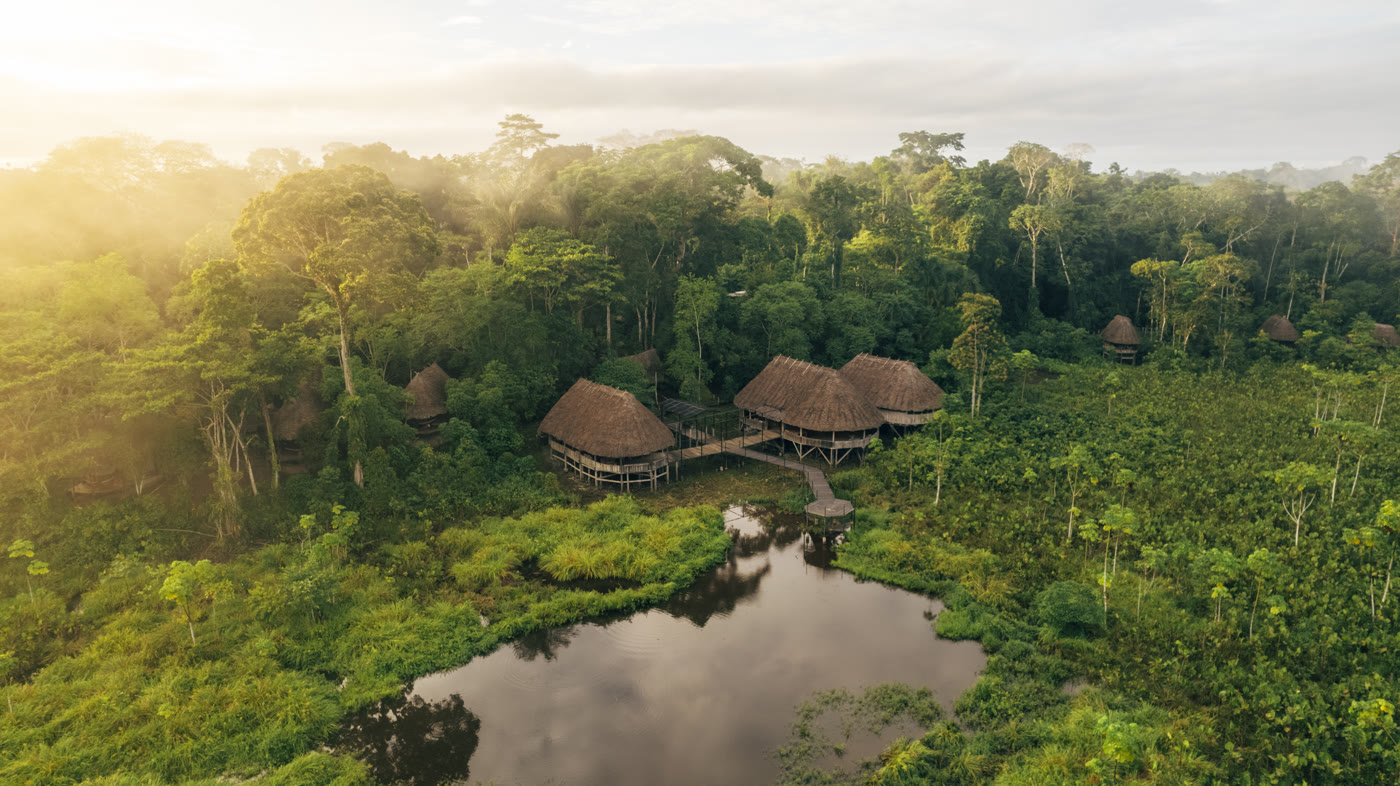
Social Platforms Are Now a Booking Channel, Not Just Awareness
Social content used to be treated as brand awareness, disconnected from the booking funnel. That's no longer accurate. Vertical, platform-native content built specifically for Instagram Reels, TikTok, and YouTube Shorts drives real engagement and, increasingly, direct traffic to booking pages. Properties still treating social as an afterthought, cropped down from other assets, are competing against properties that built content for the platform from day one.
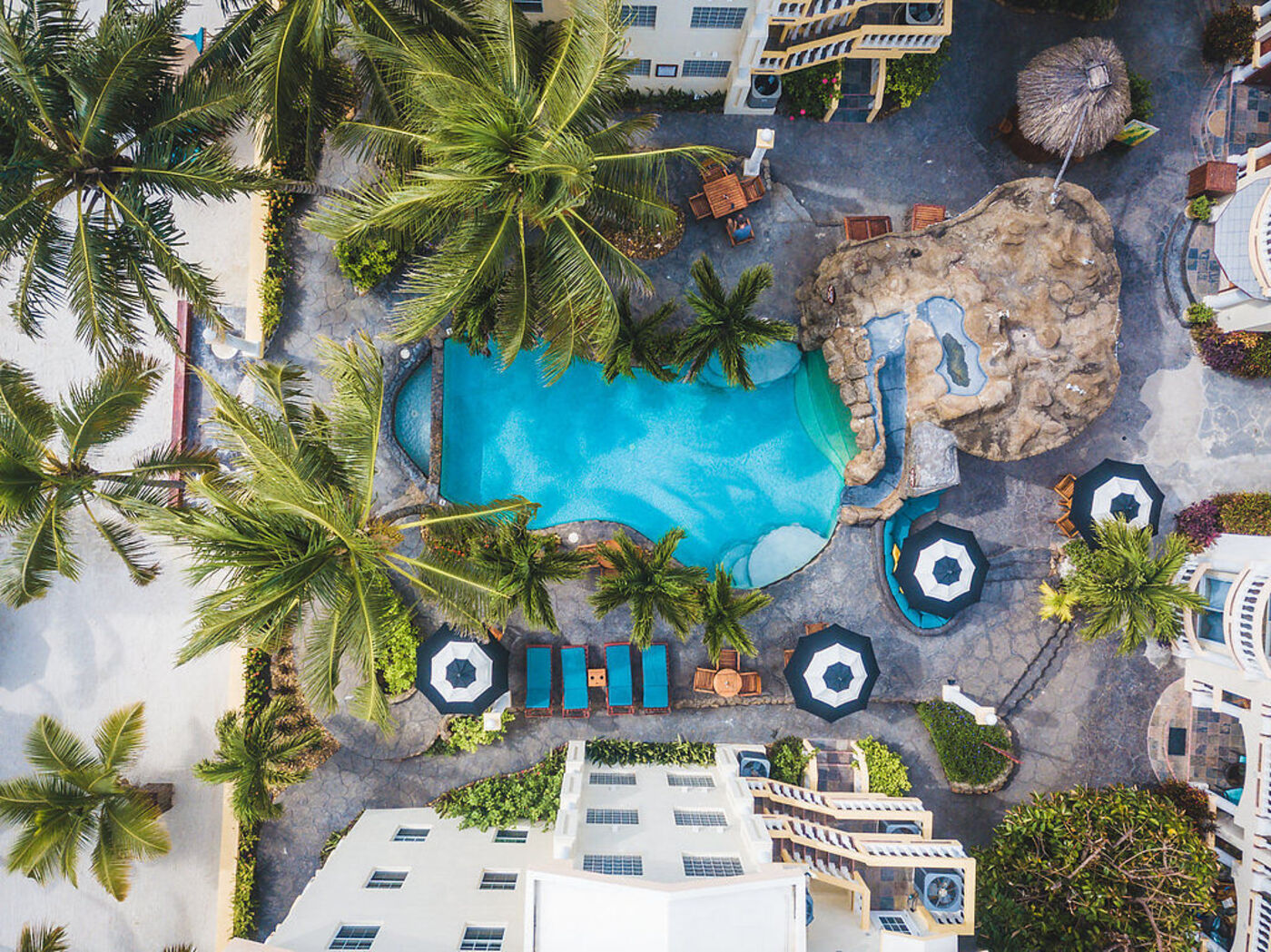
Owned Content Compounds, Licensed Content Expires
Full, perpetual usage rights are becoming the market standard rather than a premium add-on, and that shift matters more than it sounds. Content you fully own keeps generating value indefinitely across every channel; content you've merely licensed has a shelf life and a recurring cost. Properties locked into older licensing arrangements are quietly paying more over time for less flexibility than the current standard offers.
Combined Production Has Removed the Old Excuse
For years, the cost and disruption of separate photo and video shoots was a legitimate reason to delay updating a content library. That excuse doesn't hold up as well now that photo and video are routinely produced in a single day, using the same crew and the same styled property, at a lower combined cost than two standalone productions. The barrier that used to justify waiting has largely been removed.
Results reported by World Wide Stays clients following a content refresh.
"We had the most bookings we've ever had in a week period the moment we put our new images up." That's not a marketing claim, it's a direct client quote, and it's the kind of result that makes waiting the more expensive option.
The Cost of Waiting Is Invisible, Not Zero
Nobody gets an alert when outdated photography quietly costs a booking. It just shows up as a slightly lower conversion rate, a slightly higher OTA dependency, and a slightly worse social engagement number, month after month, that never gets traced back to the actual cause. The properties treating photography as urgent in 2026 aren't reacting to hype, they're recognizing that the cost of an aging content library compounds silently while the cost of updating it is fixed and known upfront.
If your property's photography hasn't been refreshed in the last year or two, it's worth a conversation. Our hotel photography and video production services are built around exactly these shifts, combined production, full ownership, and platform-native content from day one.
Curious what an updated library would actually change for your bookings? Get in touch and we'll walk you through it.
Frequently Asked Questions
Why does hotel photography matter more now than it used to?
Guests increasingly discover and evaluate hotels through social platforms and OTA listings before ever reaching a website, and photography is the primary way a property competes for attention in those channels. Properties with outdated or generic imagery are competing at a visible disadvantage against ones that have invested in current photography.
Is it worth updating photography if our property hasn't changed?
Yes. Photography quality and style expectations shift even when a property doesn't. Clients who refresh aging photography commonly see a jump in engagement and bookings simply because the new imagery competes better in the same channels their old photos were already running in.
What makes 2026 different from previous years?
Photo and video are now routinely produced together in a single production day, full usage rights have become the standard expectation rather than a premium add-on, and content built specifically for social and OTA formats is treated as a core deliverable rather than an afterthought.